

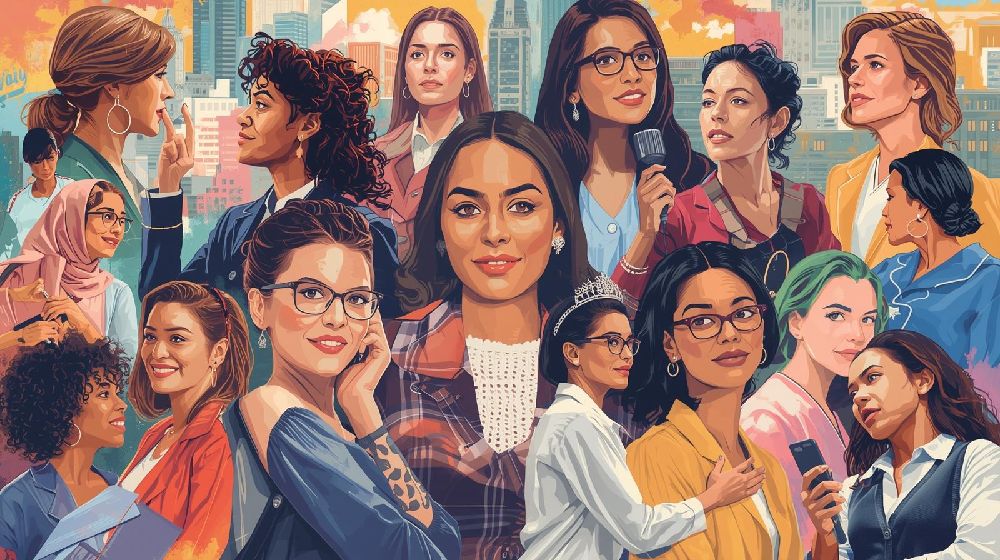
Media plays a powerful role in shaping how societies think, behave, and evolve. From films and television to advertising, news, and digital platforms, media representation influences perceptions of gender roles and identity. Positive and accurate representation of women in media is a crucial driver of women’s empowerment, while misrepresentation can reinforce inequality and stereotypes.
Media as a Mirror and a Molder
Media does not merely reflect society—it actively shapes it. The stories told, the characters portrayed, and the narratives promoted all influence how women are seen and how women see themselves. When media consistently presents women in limited or stereotypical roles, it restricts public imagination about women’s capabilities and potential.
Conversely, diverse and empowering portrayals help normalize women’s leadership, intelligence, independence, and strength.
Breaking Gender Stereotypes
Traditional media often depicted women as passive, dependent, or defined by appearance. Over time, this has contributed to unrealistic beauty standards and restricted career aspirations.
Modern media that showcases women as:
Leaders and decision-makers
Professionals in science, business, sports, and politics
Independent thinkers and change-makers
helps dismantle long-standing stereotypes and encourages broader acceptance of gender equality.
Representation Builds Confidence and Aspiration
Seeing women represented authentically across different roles and backgrounds has a direct psychological impact. It validates experiences and builds confidence, especially among young girls. Representation tells them: “You belong here. This is possible.”
When women see characters and real-life figures who look like them succeeding, it fosters ambition, self-belief, and resilience.
The Role of Digital and Social Media
Digital platforms have democratized representation. Social media allows women to:
Share their own stories and voices
Challenge dominant narratives
Advocate for rights and social change
Movements for gender equality and women’s rights have gained global momentum through online visibility, amplifying voices that were previously marginalized.
Media Accountability and Responsibility
With influence comes responsibility. Media organizations must ensure:
Fair and respectful portrayals of women
Inclusion of diverse voices across age, ethnicity, and ability
Balanced coverage of women’s achievements beyond appearance
Ethical storytelling strengthens trust and promotes social progress.
Economic and Leadership Empowerment
Media representation also affects economic empowerment. Positive portrayals of women entrepreneurs, professionals, and leaders challenge biases in workplaces and encourage inclusive policies. Visibility contributes to breaking the glass ceiling by normalizing women in positions of power.
Challenges That Still Exist
Despite progress, challenges remain:
Underrepresentation in leadership roles on screen and behind the scenes
Overemphasis on physical appearance
Gender bias in news coverage and advertising
Addressing these issues requires sustained effort from creators, brands, and audiences alike.
Conclusion
Media representation has a profound impact on women’s empowerment. When media portrays women with dignity, diversity, and depth, it fosters confidence, equality, and opportunity. Empowering representation is not just about visibility—it’s about respect, realism, and recognition. As media continues to evolve, its role in advancing women’s empowerment remains both influential and essential.